

 Get Free Quote
Get Free Quote
Get Free Quote
Get Free Quote
Get Free Quote
Get Free Quote
Get Free Quote


45 +
Coimbatore’s Top-Rated Verified Fresh Air Ventilation & HVAC Specialists
Infraneeds connects you with Coimbatore’s premier fresh air ventilation experts, offering state-of-the-art solutions for industrial, commercial, and residential sectors. Our verified partners specialize in Heat Recovery Ventilators (HRV), Energy Recovery Ventilators (ERV), and industrial exhaust systems designed to combat humidity and pollutants. Ensure a healthier environment with energy-efficient airflow solutions tailored to Coimbatore’s unique climate. Breathe better with our top-rated, certified ventilation service network today.
Fresh Air Ventilation Systems in Coimbatore play a vital role in creating healthier, safer, and more comfortable indoor environments for residential, commercial, and industrial buildings. As modern buildings become more airtight to improve energy efficiency, natural ventilation is often reduced. This can lead to poor indoor air quality, increased humidity, unpleasant odors, dust accumulation, and a buildup of airborne pollutants. A professionally designed fresh air ventilation system continuously introduces filtered outdoor air while removing stale indoor air, ensuring proper air circulation throughout the building.
Whether you are constructing a new building, upgrading an existing HVAC system, or improving indoor air quality, a reliable fresh air ventilation system is an essential investment. Professional ventilation solutions are designed to provide balanced airflow, maintain comfortable indoor conditions, and support healthier living and working spaces. Proper ventilation also helps reduce carbon dioxide levels, moisture, airborne contaminants, and indoor pollutants, creating an environment that supports occupant well-being and operational efficiency.
Fresh air ventilation systems are widely used in homes, apartments, villas, offices, IT parks, hospitals, clinics, schools, colleges, hotels, restaurants, shopping malls, retail showrooms, factories, warehouses, manufacturing industries, pharmaceutical facilities, laboratories, educational institutions, commercial complexes, government buildings, banks, gyms, convention centers, auditoriums, and many other indoor spaces where clean and continuous airflow is required.
Every building has unique ventilation requirements. Professional engineers evaluate the building layout, occupancy, room dimensions, airflow requirements, and existing HVAC infrastructure before recommending the most suitable ventilation solution. This customized approach ensures efficient air distribution, optimum ventilation performance, and long-term reliability while complying with industry standards.
Modern fresh air ventilation systems consist of fresh air handling units, ducting networks, inline fans, centrifugal blowers, axial fans, air filtration units, air diffusers, return air systems, exhaust systems, dampers, control panels, and automated ventilation controls. These components work together to deliver clean outdoor air into occupied spaces while removing stale indoor air efficiently. Advanced filtration options can further improve indoor air quality by reducing dust, pollen, and airborne particles entering the building.
Professional installation is equally important as system design. Experienced technicians ensure proper duct routing, secure equipment installation, balanced airflow, leak-free duct connections, correct fan sizing, and efficient system commissioning. A well-installed ventilation system delivers consistent airflow, operates quietly, consumes less energy, and requires minimal maintenance over its operational life.
Fresh air ventilation is especially beneficial for buildings where doors and windows remain closed for extended periods due to centralized air conditioning. Without adequate ventilation, indoor air can become stale, oxygen levels may decrease, humidity can increase, and pollutants can accumulate. A dedicated fresh air ventilation system continuously refreshes indoor air, helping maintain a comfortable and healthy indoor atmosphere for occupants.
Proper ventilation also supports the performance of central air conditioning systems by maintaining balanced air pressure and improving overall indoor comfort. When integrated with HVAC systems, fresh air ventilation enhances cooling efficiency while providing a continuous supply of fresh outdoor air. This creates a healthier indoor environment without compromising thermal comfort.
Businesses benefit significantly from professional ventilation systems. Offices experience improved employee comfort and productivity, healthcare facilities maintain cleaner indoor environments, educational institutions provide healthier classrooms, hotels offer enhanced guest comfort, restaurants improve kitchen and dining ventilation, and manufacturing industries maintain safer working conditions through effective airflow management.
Residential buildings also benefit from improved ventilation. Homes equipped with fresh air ventilation systems experience better indoor comfort, reduced humidity, fewer odors, improved airflow, and healthier living conditions for family members. Proper ventilation helps minimize condensation, supports mold prevention, and maintains fresher indoor air throughout the year.
Regular maintenance plays an important role in ensuring long-term system performance. Preventive maintenance typically includes cleaning or replacing air filters, inspecting fans, checking ductwork, balancing airflow, verifying control systems, and ensuring all ventilation components operate efficiently. Routine servicing extends equipment life, improves airflow performance, and helps maintain consistent indoor air quality.
Choosing verified Fresh Air Ventilation System service providers in Coimbatore ensures professional engineering, quality workmanship, customized solutions, and dependable after-service support. Experienced professionals focus on delivering ventilation systems that match each building's specific requirements while maintaining high standards of safety, performance, and reliability.
With increasing awareness of indoor air quality and healthy building practices, fresh air ventilation systems have become an essential part of modern residential, commercial, and industrial infrastructure. Investing in a professionally designed ventilation solution helps create cleaner indoor environments, supports occupant health and comfort, improves operational efficiency, and contributes to the long-term performance of the entire building.
If you are looking for reliable Fresh Air Ventilation Systems in Coimbatore, choose verified ventilation experts who can provide complete consultation, system design, installation, testing, commissioning, maintenance, and technical support. A well-designed fresh air ventilation system is a long-term solution for maintaining healthy indoor air quality, improving comfort, and ensuring continuous fresh airflow across every type of building.
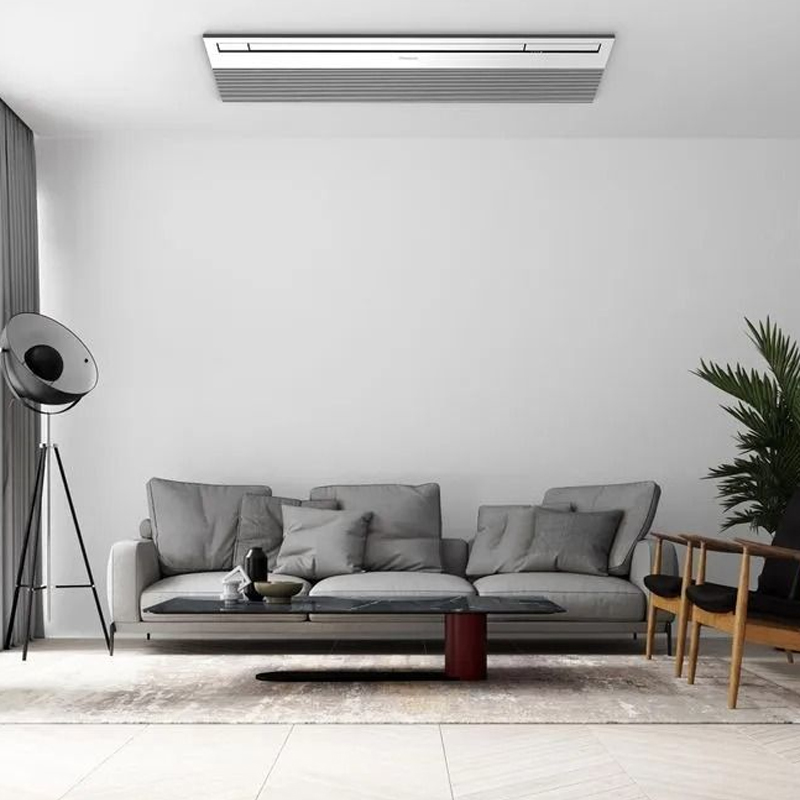



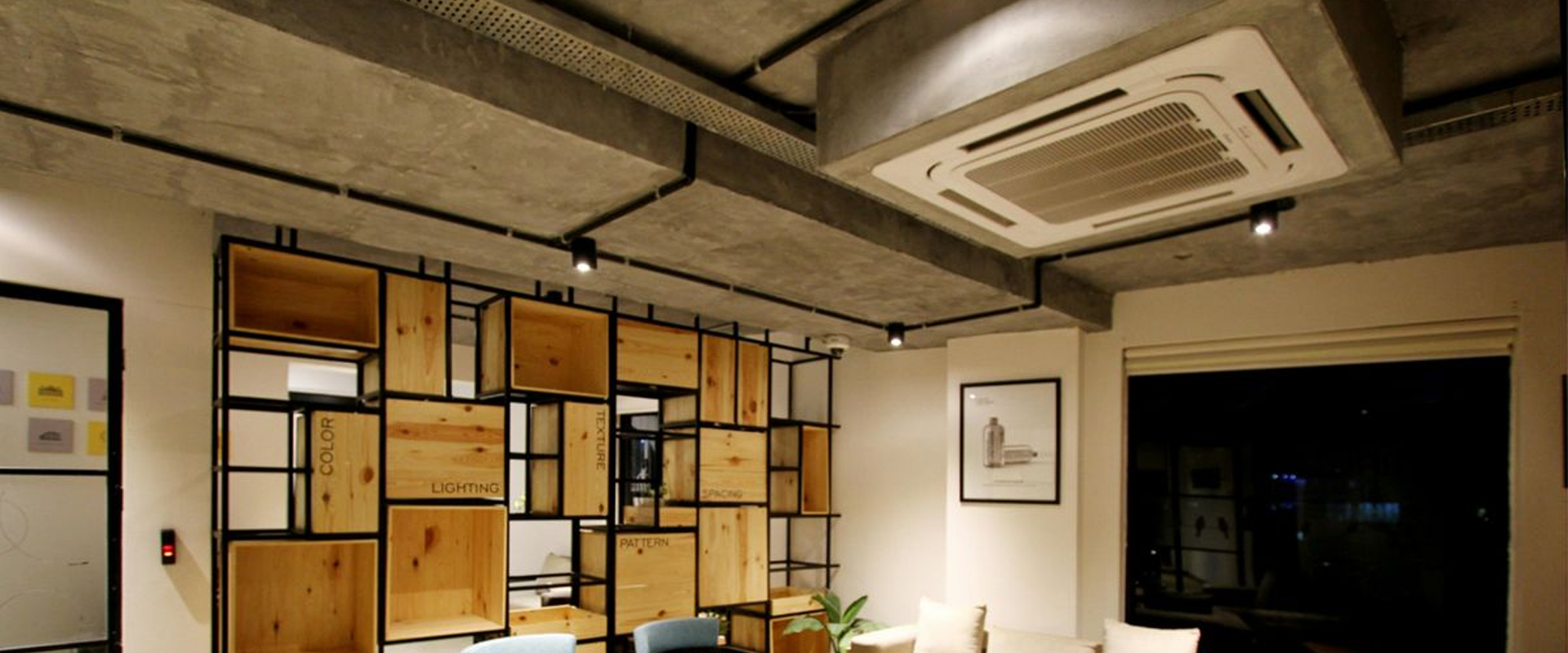
Our verified Fresh Air Ventilation System service providers in Coimbatore offer complete ventilation solutions for residential, commercial, institutional, and industrial buildings. Every project begins with a detailed site assessment to understand the building layout, occupancy levels, airflow requirements, and indoor air quality objectives. Based on this evaluation, experienced professionals design customized fresh air ventilation systems that ensure efficient air circulation, improved indoor comfort, and long-term performance.
We provide end-to-end fresh air ventilation solutions, including system planning, ventilation design, airflow calculations, equipment selection, duct layout preparation, fresh air intake design, and complete installation. Every ventilation system is engineered to deliver the right amount of fresh outdoor air while effectively removing stale indoor air, creating a healthier indoor environment for occupants.
Our services include fresh air ventilation system installation for newly constructed buildings as well as upgrades for existing HVAC and air conditioning systems. Whether the project is a residential home, office, shopping mall, hospital, educational institution, hotel, factory, warehouse, or commercial complex, our experts ensure that every ventilation system is customized according to the specific needs of the building.
Professional ducting services are available for fresh air supply ducts, return air ducts, exhaust ducts, and ventilation duct networks. Proper duct design and installation help maintain balanced airflow, reduce pressure loss, improve energy efficiency, and ensure uniform air distribution throughout the building. High-quality duct insulation and sealing techniques further improve system performance while minimizing energy loss.
Our fresh air ventilation services also include the installation of fresh air handling units (FAHU), inline fans, centrifugal blowers, axial flow fans, exhaust fans, air diffusers, grilles, dampers, louvers, filters, and ventilation control systems. Every component is selected based on project requirements to provide reliable and efficient ventilation performance.
Indoor air quality improvement is one of the primary objectives of our ventilation solutions. We provide air filtration systems that help reduce dust, pollen, airborne particles, and other contaminants entering indoor spaces. Proper ventilation combined with effective filtration contributes to healthier indoor environments for employees, customers, students, patients, and residents.
We also specialize in mechanical ventilation systems for buildings where natural ventilation is insufficient. These systems continuously introduce fresh outdoor air while exhausting stale indoor air, helping maintain comfortable temperature conditions and proper oxygen levels. Mechanical ventilation is ideal for modern buildings that operate with centralized air conditioning and limited natural airflow.
Our services extend to basement ventilation systems, car parking ventilation, utility room ventilation, staircase pressurization systems, electrical room ventilation, generator room ventilation, server room ventilation, warehouse ventilation, factory ventilation, commercial kitchen ventilation, restroom exhaust systems, smoke extraction support, and industrial exhaust ventilation. Each solution is designed according to the specific operational requirements of the facility.
Existing ventilation systems can also be upgraded to improve efficiency and performance. Our experts inspect current installations, identify airflow issues, evaluate equipment condition, and recommend suitable modifications that enhance ventilation capacity and indoor air quality. Retrofitting services help businesses improve their existing HVAC infrastructure without complete system replacement.
Testing and commissioning are carried out after installation to ensure every ventilation system operates according to design specifications. Airflow balancing, pressure testing, duct leakage inspection, equipment calibration, fan performance verification, and operational testing help deliver consistent and reliable system performance.
Preventive maintenance services are available to ensure the long-term efficiency of fresh air ventilation systems. Regular maintenance includes cleaning air filters, inspecting fans, checking ductwork, lubricating moving components, replacing worn parts when required, monitoring airflow performance, and verifying control system operation. Routine servicing minimizes unexpected breakdowns, improves energy efficiency, and extends equipment life.
Our technical team also provides consultation services for architects, builders, contractors, facility managers, industries, commercial property owners, and homeowners planning new construction or renovation projects. Expert guidance during the planning stage helps ensure that ventilation systems are integrated efficiently with HVAC and building infrastructure.
Every project is completed by experienced professionals using quality materials, proven engineering practices, and industry standards. From small residential installations to large commercial and industrial ventilation projects, our verified service providers focus on delivering dependable solutions that improve indoor air quality, occupant comfort, operational efficiency, and overall building performance.
Choose verified Fresh Air Ventilation System experts in Coimbatore for professional consultation, customized ventilation design, quality installation, system testing, preventive maintenance, and reliable after-service support. Our comprehensive ventilation services are designed to create healthier indoor environments while ensuring efficient airflow, long-lasting performance, and complete customer satisfaction.
Fresh Air Ventilation Systems in Coimbatore are designed to meet the ventilation requirements of a wide range of residential, commercial, institutional, healthcare, hospitality, and industrial buildings. Every building has unique airflow needs depending on its size, occupancy, operational activities, and indoor air quality requirements. Our verified ventilation service providers offer customized solutions that ensure proper air circulation, improved comfort, and a healthier indoor environment for every type of property.
Residential properties are among the most common places where fresh air ventilation systems are installed. Independent houses, luxury villas, apartments, gated communities, duplex homes, and multi-storey residential buildings benefit from a continuous supply of fresh outdoor air. Proper ventilation helps remove stale air, excess humidity, cooking odors, and indoor pollutants while improving overall living comfort. Modern homes with centralized air conditioning especially require fresh air ventilation to maintain balanced indoor air quality.
Apartment complexes and residential communities require efficient ventilation systems for common areas, corridors, basements, parking zones, clubhouses, gyms, and indoor recreational facilities. Proper airflow helps maintain a comfortable environment for residents while improving air quality in shared spaces.
Commercial office buildings rely on fresh air ventilation systems to create productive and comfortable work environments. Offices, IT parks, software companies, business centers, coworking spaces, corporate headquarters, and administrative buildings require continuous fresh air circulation to maintain healthy indoor conditions for employees and visitors. Well-designed ventilation systems help improve workplace comfort, reduce indoor pollutants, and support employee well-being.
Retail establishments also benefit from professional ventilation solutions. Shopping malls, supermarkets, retail stores, showrooms, department stores, textile outlets, electronics stores, furniture showrooms, and commercial complexes require balanced airflow to provide a pleasant shopping experience. Fresh air ventilation improves customer comfort while maintaining better indoor air quality throughout the premises.
Healthcare facilities demand high standards of ventilation to support clean and healthy indoor environments. Hospitals, clinics, medical centers, diagnostic laboratories, dental clinics, nursing homes, pharmacies, rehabilitation centers, and healthcare institutions require carefully designed ventilation systems that provide continuous fresh air while helping maintain hygienic indoor conditions.
Educational institutions depend on proper ventilation to provide healthier learning environments. Schools, colleges, universities, coaching centers, training institutes, libraries, research centers, classrooms, laboratories, seminar halls, and auditoriums benefit from improved air circulation, which enhances comfort for students, teachers, and staff during daily activities.
Hospitality businesses require reliable ventilation systems to ensure guest satisfaction and indoor comfort. Hotels, resorts, restaurants, cafés, banquet halls, convention centers, wedding halls, event venues, clubs, lounges, and food courts use fresh air ventilation systems to maintain pleasant indoor conditions while supporting effective airflow across guest areas, dining spaces, kitchens, and common facilities.
Industrial facilities require customized ventilation systems to support manufacturing operations and employee safety. Textile mills, engineering industries, automobile manufacturing units, food processing plants, pharmaceutical factories, packaging industries, printing units, assembly plants, production facilities, warehouses, logistics centers, distribution hubs, cold storage facilities, and industrial workshops all benefit from properly engineered fresh air ventilation solutions. These systems help improve air circulation, remove heat buildup, and create safer working environments.
Government buildings and public institutions also require effective ventilation systems to accommodate daily visitors and employees. Municipal offices, government departments, banks, financial institutions, court buildings, public service centers, post offices, and administrative offices benefit from continuous fresh air circulation that enhances indoor comfort and operational efficiency.
Entertainment and recreational facilities such as theatres, cinemas, indoor sports complexes, fitness centers, yoga studios, gyms, gaming zones, community halls, exhibition centers, museums, cultural centers, and auditoriums also require professionally designed ventilation systems to maintain a comfortable atmosphere during peak occupancy.
Specialized facilities including laboratories, clean rooms, research centers, data centers, server rooms, communication facilities, electrical control rooms, generator rooms, utility rooms, parking basements, and equipment rooms require ventilation systems that support equipment performance while maintaining appropriate indoor environmental conditions.
Religious institutions, places of worship, charitable organizations, community centers, and social gathering halls also benefit from fresh air ventilation systems, especially during large gatherings where maintaining good indoor air quality is essential for visitor comfort.
Each building category has different ventilation requirements based on occupancy levels, room usage, equipment load, building design, and operational needs. Our experienced engineers perform detailed site evaluations before recommending the most suitable fresh air ventilation solution. Every system is designed to provide balanced airflow, energy-efficient operation, low noise levels, and long-term reliability.
Whether it is a small residential property or a large industrial facility, our verified Fresh Air Ventilation System service providers in Coimbatore deliver customized ventilation solutions that improve indoor air quality, support healthier environments, enhance occupant comfort, and ensure dependable performance. With professional design, quality installation, and reliable maintenance services, we help every building maintain clean, fresh, and well-circulated indoor air throughout the year.
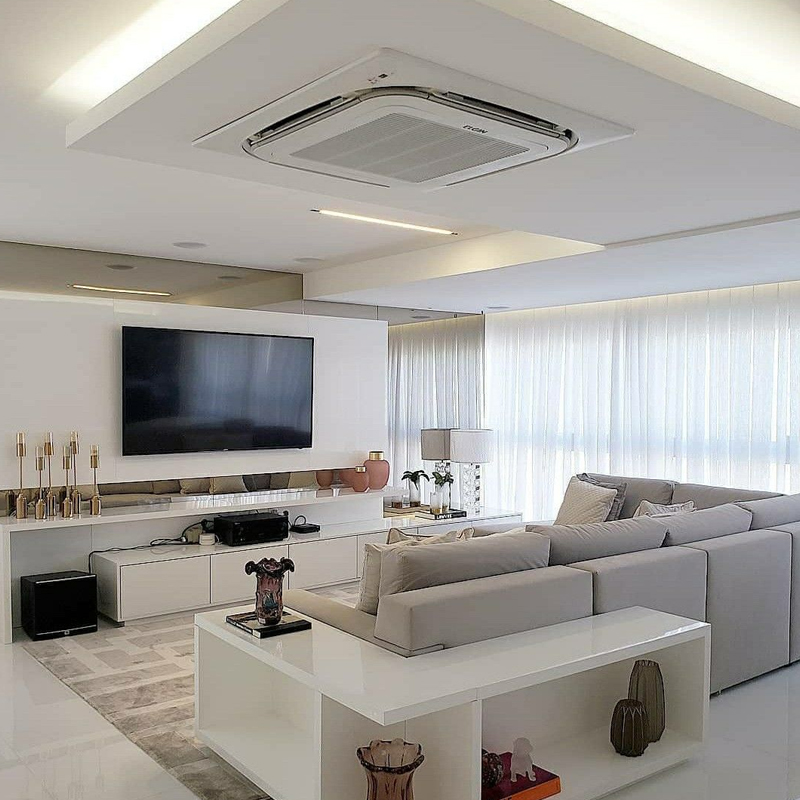
Choosing the right Fresh Air Ventilation System provider in Coimbatore is essential for maintaining healthy indoor air quality, improving occupant comfort, and ensuring the long-term performance of your ventilation system. Our verified service providers are committed to delivering professional ventilation solutions that are customized to meet the unique requirements of every residential, commercial, institutional, and industrial project. With extensive industry knowledge, experienced engineers, and a customer-focused approach, we help create efficient ventilation systems that provide continuous fresh airflow and reliable operation.
Every project begins with a detailed site inspection and consultation. Our technical experts carefully evaluate the building layout, occupancy levels, ventilation requirements, existing HVAC infrastructure, and indoor air quality objectives before recommending the most suitable solution. This detailed planning process ensures that every fresh air ventilation system is designed specifically for your building rather than using a standard one-size-fits-all approach.
We believe that every building deserves a customized ventilation solution. Whether it is an independent house, apartment, office, hospital, hotel, educational institution, shopping mall, factory, warehouse, or industrial facility, our team designs systems that provide balanced airflow, efficient ventilation, and improved indoor comfort. Each installation is engineered to support long-term reliability while maintaining optimal indoor air quality.
Our verified professionals use quality ventilation components, advanced engineering practices, and modern installation techniques to ensure dependable system performance. Every project is completed with careful attention to duct routing, airflow balancing, equipment positioning, system integration, and operational efficiency. Our goal is to provide ventilation systems that deliver consistent fresh air circulation while minimizing energy consumption and maintenance requirements.
Customer satisfaction is one of our highest priorities. From the initial enquiry to project completion, our team maintains clear communication, professional project management, and timely execution. We work closely with homeowners, builders, architects, consultants, contractors, facility managers, and business owners to ensure that every ventilation project is completed according to the required specifications and industry standards.
Our service providers have experience handling projects of various sizes, ranging from residential ventilation installations to large commercial and industrial ventilation systems. Whether your project involves a new building, renovation, HVAC upgrade, or ventilation improvement, our experienced professionals have the expertise to recommend the right solution for your requirements.
Indoor air quality has become increasingly important in modern buildings where doors and windows often remain closed because of centralized air conditioning systems. Our fresh air ventilation solutions continuously introduce clean outdoor air while removing stale indoor air, helping reduce indoor pollutants, humidity, odors, and airborne particles. This creates a healthier indoor environment for employees, customers, patients, students, guests, and family members.
We focus on delivering ventilation systems that are efficient, reliable, and easy to maintain. Proper airflow calculations, equipment selection, duct design, and system balancing help improve operational efficiency while reducing unnecessary energy usage. Routine maintenance recommendations and technical support further help ensure that your ventilation system continues to perform effectively for years to come.
Why customers choose our verified Fresh Air Ventilation System providers in Coimbatore:
Verified and trusted ventilation service providers
Experienced engineers and skilled installation professionals
Customized fresh air ventilation solutions for every building
Complete site inspection and technical consultation
Professional ventilation design and airflow planning
High-quality ventilation equipment and accessories
Residential, commercial, institutional, and industrial expertise
Proper ducting, airflow balancing, and system commissioning
Integration with HVAC and central air conditioning systems
Energy-efficient ventilation planning
Reliable project execution and timely completion
Preventive maintenance and technical support
Indoor air quality improvement solutions
Long-lasting and dependable ventilation systems
Focus on customer satisfaction and quality workmanship
Our commitment goes beyond installation. We strive to build long-term relationships by providing dependable after-service support, maintenance guidance, and professional assistance whenever required. Our experienced team ensures that every ventilation system continues to operate efficiently while maintaining healthy indoor air quality throughout the year.
Whether you require ventilation for a home, office, hospital, hotel, educational institution, commercial complex, factory, warehouse, or industrial unit, our verified Fresh Air Ventilation System experts in Coimbatore are dedicated to delivering customized solutions that combine quality, reliability, and performance. Choose professionals who prioritize engineering excellence, efficient airflow, and customer satisfaction to create a healthier and more comfortable indoor environment for your building.
A Fresh Air Ventilation System supplies clean outdoor air into a building while removing stale indoor air. It helps improve indoor air quality, maintains proper airflow, reduces humidity, and creates a healthier indoor environment.
Modern buildings are often sealed for energy efficiency, which limits natural airflow. A fresh air ventilation system improves ventilation by continuously circulating clean air, reducing indoor pollutants, odors, moisture, and carbon dioxide levels.
Fresh Air Ventilation Systems are suitable for homes, apartments, villas, offices, hospitals, schools, colleges, hotels, restaurants, shopping malls, factories, warehouses, commercial buildings, industrial facilities, and institutional buildings.
Yes. Fresh Air Ventilation Systems are commonly integrated with central air conditioning and HVAC systems to provide continuous fresh air while maintaining comfortable indoor temperatures and balanced airflow.
The system replaces stale indoor air with filtered outdoor air, helping reduce dust, airborne particles, odors, excess humidity, and indoor pollutants while improving overall air circulation.
Yes. Regular maintenance includes cleaning or replacing filters, inspecting fans, checking ductwork, balancing airflow, and ensuring all ventilation components operate efficiently for long-term performance.
Yes. Fresh Air Ventilation Systems are widely used in factories, warehouses, offices, hospitals, hotels, educational institutions, shopping malls, manufacturing facilities, and commercial complexes where continuous airflow is essential.
Experienced ventilation specialists evaluate factors such as building size, occupancy, room layout, airflow requirements, existing HVAC systems, and indoor air quality needs before recommending a customized ventilation solution.
Verified service providers offer professional consultation, customized system design, quality installation, proper airflow planning, reliable maintenance support, and long-lasting ventilation solutions that meet industry standards.
Choose a provider with experienced engineers, verified expertise, customized ventilation solutions, quality workmanship, professional installation, dependable after-service support, and a strong focus on improving indoor air quality for residential, commercial, and industrial buildings.

