

 Get Free Quote
Get Free Quote
Get Free Quote
Get Free Quote
Get Free Quote
Get Free Quote
Get Free Quote


120 +
Weather Resistant uPVC Window Systems Manufacturer for Indian Climate Conditions
High-performance weather resistant uPVC windows designed for Indian climate conditions with heat, rain, humidity protection and long-lasting durability.
Weather resistant uPVC windows for Indian climate have become one of the most essential components in modern construction because India presents one of the most diverse and challenging weather conditions in the world. From extreme summer heat to heavy monsoon rainfall, high humidity, dust exposure, and coastal salt-laden air, buildings in India are constantly under environmental stress. This is exactly why weather resistant uPVC windows for Indian climate are widely preferred in residential, commercial, and infrastructure projects across the country, including fast-growing urban regions like Coimbatore.
When we talk about weather resistant uPVC windows for Indian climate, we are referring to a highly engineered window system designed specifically to withstand thermal expansion, moisture exposure, ultraviolet radiation, and environmental pollution without losing structural integrity. Unlike traditional wooden windows that absorb moisture and begin to swell or rot, or aluminum systems that may corrode or conduct excessive heat, weather resistant uPVC windows for Indian climate maintain stability and performance over long periods of time with minimal maintenance requirements.
The increasing popularity of weather resistant uPVC windows for Indian climate is closely linked to the changing nature of construction in India. Modern buildings are no longer designed only for shelter; they are designed for energy efficiency, comfort, durability, and sustainability. In this context, weather resistant uPVC windows for Indian climate play a critical role because they help regulate indoor temperature, reduce energy consumption, and improve overall living comfort in both residential and commercial environments.
One of the most important aspects that makes weather resistant uPVC windows for Indian climate highly suitable is their resistance to heat. In many parts of India, summer temperatures can reach extreme levels, causing significant heat transfer through conventional window systems. This leads to increased indoor temperatures and higher electricity usage due to air conditioning. However, weather resistant uPVC windows for Indian climate are designed with multi-chambered profiles that significantly reduce heat transfer. This means that indoor environments remain cooler, and energy efficiency is improved naturally without overdependence on artificial cooling systems.
Another major advantage of weather resistant uPVC windows for Indian climate is their ability to withstand monsoon conditions. India experiences heavy seasonal rainfall, especially in southern and coastal regions. During these conditions, water leakage, dampness, and structural damage are common problems in traditional window systems. Weather resistant uPVC windows for Indian climate are engineered with airtight sealing systems and precision-fit frames that prevent water penetration. This ensures long-term protection for interiors, furniture, and building structures.
Humidity resistance is another critical feature that makes weather resistant uPVC windows for Indian climate highly effective. In tropical regions, constant humidity can lead to mold growth, corrosion, and material degradation. Unlike wood, which absorbs moisture, or metal, which may corrode over time, weather resistant uPVC windows for Indian climate remain unaffected by humidity. This makes them ideal for long-term installation in coastal cities and high-moisture environments.
Dust and pollution resistance also play a major role in the increasing adoption of weather resistant uPVC windows for Indian climate. Urban cities in India are experiencing rapid industrialization and traffic growth, leading to increased air pollution and dust levels. Traditional windows often allow fine dust particles to enter indoor spaces, affecting air quality and cleanliness. However, weather resistant uPVC windows for Indian climate are designed with tight sealing systems that significantly reduce air leakage, thereby improving indoor air quality and reducing maintenance efforts for homeowners.
The structural durability of weather resistant uPVC windows for Indian climate is another key factor driving their demand. These windows are reinforced with internal steel supports, which enhance strength and prevent deformation over time. Even under continuous exposure to sunlight, rain, and temperature fluctuations, weather resistant uPVC windows for Indian climate maintain their shape and functionality. This long-term durability makes them a cost-effective solution for builders and developers.
In addition to durability and performance, weather resistant uPVC windows for Indian climate also offer excellent acoustic insulation. In densely populated urban areas, noise pollution from traffic, construction, and commercial activities can significantly affect quality of life. Weather resistant uPVC windows for Indian climate help reduce external noise infiltration, creating quieter and more comfortable indoor environments. This makes them especially suitable for apartments, office buildings, and residential zones located near busy roads.
Another important benefit is low maintenance. Traditional window systems often require regular painting, polishing, or anti-corrosion treatments. In contrast, weather resistant uPVC windows for Indian climate require minimal upkeep. Occasional cleaning and basic maintenance are sufficient to maintain their appearance and performance. This makes them highly attractive for modern homeowners and builders who prefer long-term convenience.
From a construction industry perspective, weather resistant uPVC windows for Indian climate also support faster project execution. Because these windows are manufactured with precision and standardized processes, they can be produced and installed efficiently in large-scale projects. This is particularly important in fast-developing cities like Coimbatore, where construction timelines are tight and demand for residential and commercial spaces is continuously increasing.
Builders and architects increasingly prefer weather resistant uPVC windows for Indian climate because they align with modern building standards focused on energy efficiency, sustainability, and long-term cost reduction. In large housing projects, the ability to ensure uniform quality, consistent design, and predictable performance is extremely important, and weather resistant uPVC windows for Indian climate provide exactly that.
In conclusion, weather resistant uPVC windows for Indian climate represent a modern evolution in construction technology that addresses the real environmental challenges faced by buildings in India. From heat resistance and monsoon protection to durability, noise reduction, and low maintenance, these windows offer a complete solution for long-term performance. In rapidly growing urban environments like Coimbatore, weather resistant uPVC windows for Indian climate are becoming a preferred choice for homeowners, builders, and architects who prioritize quality, efficiency, and sustainability.
Ultimately, weather resistant uPVC windows for Indian climate are not just a construction material—they are a long-term investment in comfort, durability, and energy efficiency that perfectly aligns with the demands of modern Indian architecture.
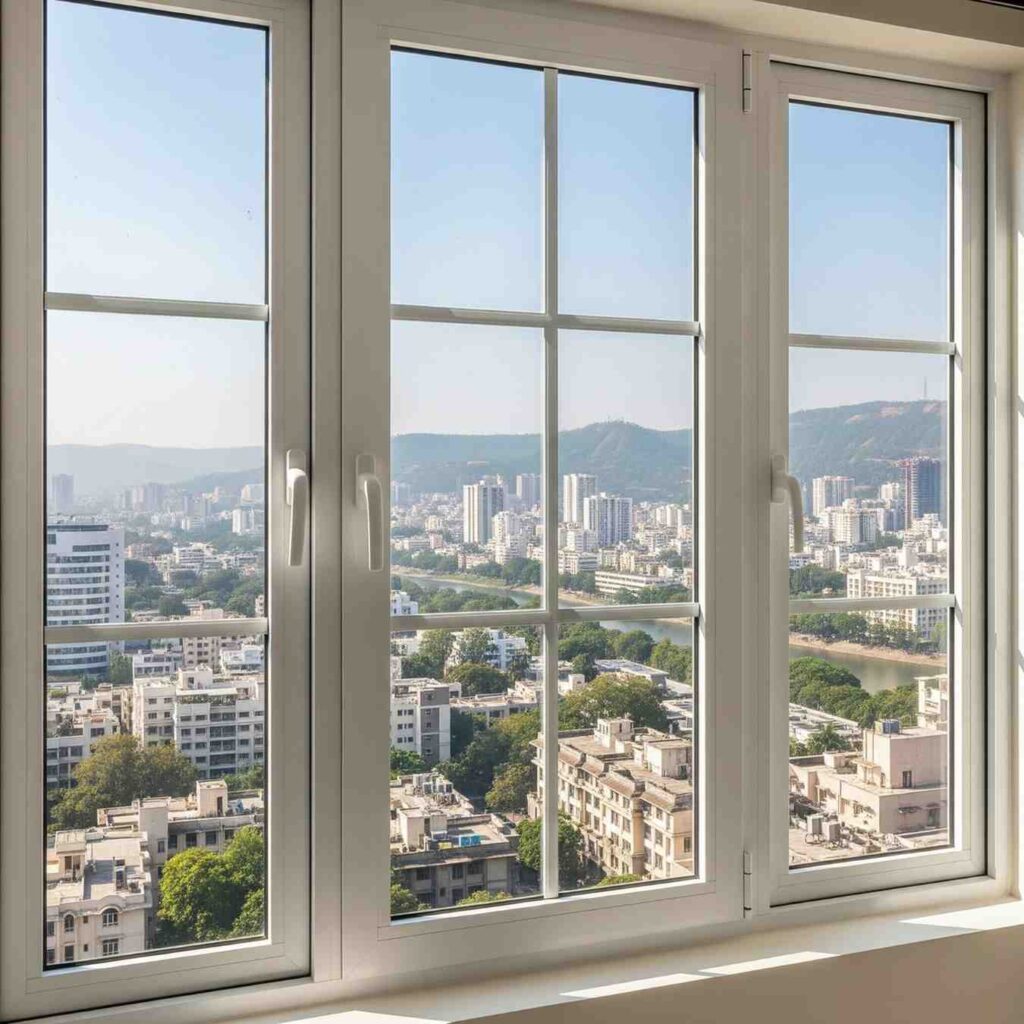



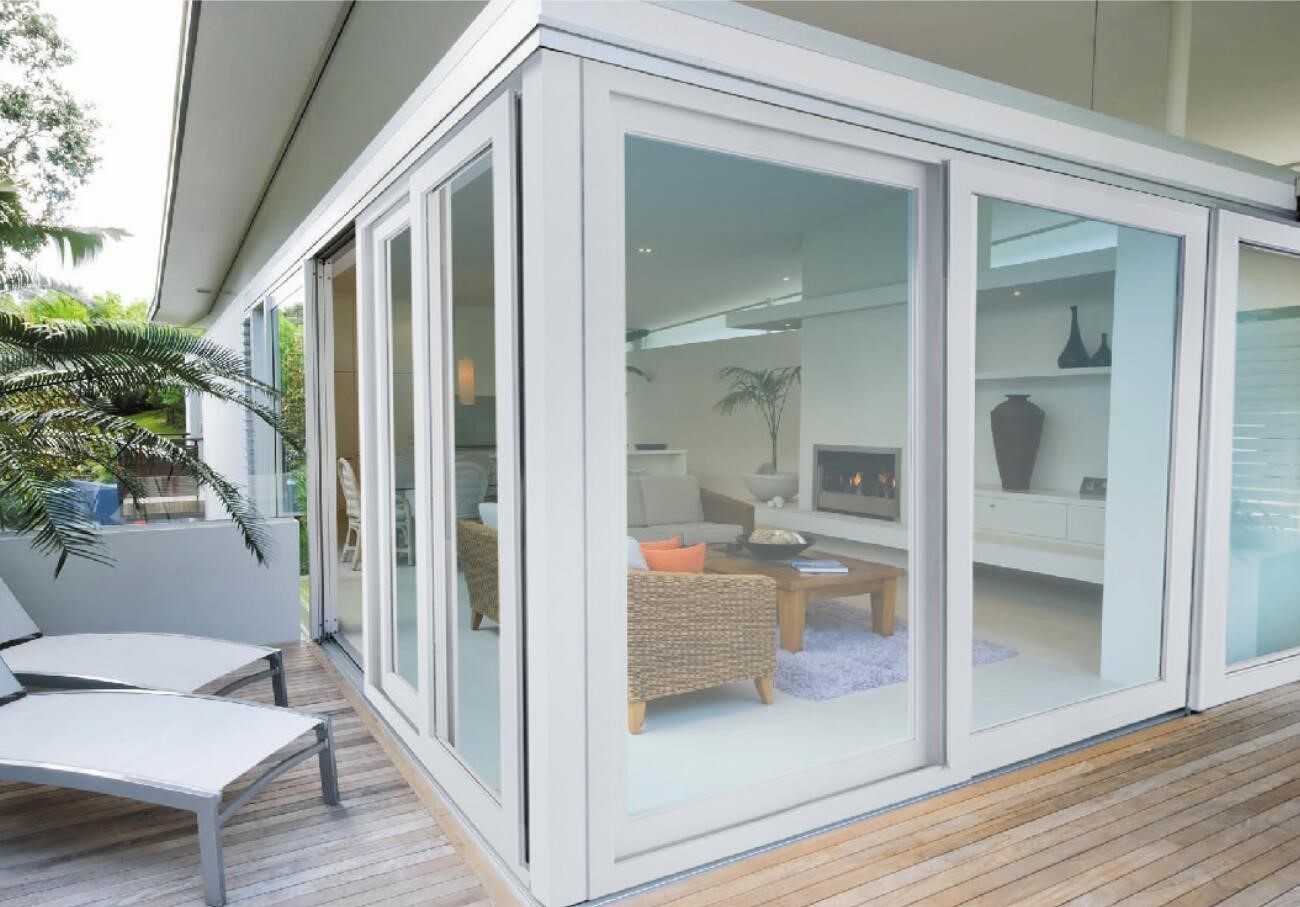
Weather resistance is one of the most important performance factors that modern construction materials must achieve, especially in regions like India where climatic conditions vary drastically across seasons. One of the strongest advantages of weather resistant uPVC windows for Indian climate is their exceptional ability to manage heat transfer, reduce thermal gain, and maintain indoor comfort even during extreme summer conditions. In rapidly developing urban areas such as Coimbatore, where temperatures can rise significantly during peak summer months, weather resistant uPVC windows for Indian climate are increasingly becoming the preferred choice for residential apartments, villas, and commercial buildings.
The heat resistance capability of weather resistant uPVC windows for Indian climate comes from the unique material structure of unplasticized polyvinyl chloride. Unlike aluminum, which is a strong conductor of heat, uPVC acts as a natural thermal insulator. This means that weather resistant uPVC windows for Indian climate significantly reduce the amount of external heat entering indoor spaces. As a result, buildings equipped with these windows maintain a more stable internal temperature, reducing dependency on air conditioning systems and improving overall energy efficiency.
In hot regions across India, especially in South Indian cities, the demand for weather resistant uPVC windows for Indian climate continues to grow because of rising energy consumption and increasing awareness about sustainable construction practices. When buildings use traditional window systems, heat transfer through frames and glass significantly increases indoor temperature, forcing cooling systems to work harder. However, weather resistant uPVC windows for Indian climate help minimize this issue by creating a strong thermal barrier between indoor and outdoor environments.
Another important aspect of heat resistance in weather resistant uPVC windows for Indian climate is the multi-chambered profile design. These chambers act as insulation pockets that trap air and reduce heat conduction. This engineering feature ensures that weather resistant uPVC windows for Indian climate perform efficiently even in extreme temperatures. In Coimbatore’s climate conditions, where heat and humidity often combine to create uncomfortable indoor environments, these windows help maintain a cooler and more comfortable living space.
Energy efficiency is directly influenced by how well a building manages heat transfer. Weather resistant uPVC windows for Indian climate contribute significantly to reducing energy bills by lowering the need for air conditioning usage. When less heat enters the building, cooling systems do not need to operate continuously, which results in lower electricity consumption. Over time, this makes weather resistant uPVC windows for Indian climate a cost-effective investment for homeowners and builders who are focused on long-term savings.
In addition to heat resistance, another critical performance feature of weather resistant uPVC windows for Indian climate is their monsoon protection capability. India experiences heavy monsoon rainfall in many regions, and water leakage through poorly sealed windows can cause significant structural damage over time. Weather resistant uPVC windows for Indian climate are designed with advanced sealing systems that prevent rainwater from entering indoor spaces, ensuring complete waterproof protection during heavy rainfall conditions.
During monsoon seasons, especially in southern states, wind-driven rain can put pressure on building structures. Traditional window systems often fail under such conditions due to gaps, corrosion, or material degradation. However, weather resistant uPVC windows for Indian climate provide a tight and secure sealing system that blocks water penetration effectively. This ensures that interiors remain dry and protected even during continuous heavy rainfall.
The structural stability of weather resistant uPVC windows for Indian climate also plays a major role in monsoon protection. uPVC frames do not swell, warp, or corrode when exposed to moisture, unlike wooden or metal alternatives. This ensures that the window maintains its shape and sealing efficiency even after long exposure to monsoon conditions. In coastal and high-rainfall areas of India, this durability becomes a critical advantage for long-term building performance.
Another key benefit of weather resistant uPVC windows for Indian climate during monsoon conditions is their ability to prevent humidity-related damage. Excess moisture inside buildings can lead to mold growth, wall dampness, and deterioration of interior finishes. By providing effective waterproof sealing, weather resistant uPVC windows for Indian climate help maintain a controlled indoor environment that protects both structural integrity and indoor air quality.
The combination of heat resistance and monsoon protection makes weather resistant uPVC windows for Indian climate a complete solution for Indian weather conditions. These windows are engineered to handle both extreme summer heat and heavy seasonal rainfall, making them suitable for diverse climatic zones across the country. In cities like Coimbatore, where both heat and rainfall patterns can be intense, weather resistant uPVC windows for Indian climate provide a balanced and reliable performance solution for modern construction projects.
From a construction planning perspective, builders and architects increasingly prefer weather resistant uPVC windows for Indian climate because they reduce long-term maintenance requirements. Traditional materials often require frequent repairs due to weather damage, but uPVC systems maintain their performance without significant upkeep. This reduces lifecycle costs and improves building efficiency over time.
In addition to performance benefits, weather resistant uPVC windows for Indian climate also enhance indoor comfort levels. By reducing heat penetration and preventing water leakage, they create a stable indoor environment that improves overall livability. This is particularly important in urban residential developments where comfort, energy efficiency, and durability are key selling points for modern housing.
Ultimately, weather resistant uPVC windows for Indian climate represent a significant advancement in modern building technology. They combine thermal insulation, waterproof protection, durability, and energy efficiency into a single solution designed specifically for India’s challenging climate conditions. Whether used in residential apartments, villas, or commercial structures, these windows deliver consistent performance across all seasons.
In conclusion, the increasing adoption of weather resistant uPVC windows for Indian climate reflects a broader shift toward sustainable, efficient, and long-lasting construction materials. Their ability to reduce heat transfer, lower energy consumption, and protect buildings from monsoon damage makes them one of the most reliable window solutions available today. As construction standards continue to evolve in India, weather resistant uPVC windows for Indian climate will remain a key component in shaping modern, energy-efficient, and climate-resilient architecture.
High humidity is one of the most critical environmental challenges in tropical and coastal regions of India, and it significantly impacts the durability and performance of building materials used in residential and commercial construction. In such environments, weather resistant uPVC windows for Indian climate have emerged as one of the most reliable solutions because they are specifically engineered to withstand moisture-rich air, continuous humidity exposure, and long-term environmental stress without deterioration. Unlike traditional wooden frames that absorb moisture and swell over time, or metal frames that corrode when exposed to humidity, weather resistant uPVC windows for Indian climate maintain structural stability and performance consistency even in highly saturated atmospheric conditions.
In coastal and tropical zones, constant exposure to humid air leads to gradual material degradation, especially in traditional construction systems. Metal components tend to oxidize, leading to corrosion, while wooden frames often experience fungal growth, expansion, and cracking. However, weather resistant uPVC windows for Indian climate are manufactured using unplasticized polyvinyl chloride, a material that is inherently non-porous and resistant to water absorption. This means that even in extremely humid conditions, these windows do not swell, rust, or deteriorate, making weather resistant uPVC windows for Indian climate an ideal long-term investment for residential apartments, villas, and commercial buildings.
In cities with high humidity levels, such as coastal belts and tropical urban regions, the performance of building materials is continuously tested by environmental conditions. This is where weather resistant uPVC windows for Indian climate provide a significant advantage. Their sealed frame construction and multi-chamber design ensure that moisture does not penetrate the internal structure, thereby maintaining insulation efficiency and preventing structural damage. In regions like Coimbatore, where seasonal humidity variations can affect building comfort and durability, weather resistant uPVC windows for Indian climate are increasingly being adopted in modern construction projects.
Another major benefit of weather resistant uPVC windows for Indian climate in high-humidity environments is their ability to prevent mold and fungal growth. Traditional materials that absorb moisture often become breeding grounds for mold, which not only affects aesthetics but also impacts indoor air quality and occupant health. uPVC, being non-absorbent, eliminates this risk entirely, ensuring cleaner and healthier indoor environments. This makes weather resistant uPVC windows for Indian climate particularly suitable for residential apartments, healthcare buildings, and hospitality projects where hygiene and air quality are critical considerations.
Corrosion resistance is another defining feature that makes weather resistant uPVC windows for Indian climate superior to conventional alternatives. In humid and coastal regions, metal components are highly susceptible to oxidation due to continuous exposure to moisture and salt-laden air. This leads to rust formation, weakening structural integrity and reducing lifespan. However, uPVC material does not react with moisture or air pollutants, ensuring that weather resistant uPVC windows for Indian climate remain corrosion-free throughout their lifecycle. This property significantly reduces maintenance costs and increases long-term reliability for builders and property owners.
From a construction perspective, durability is one of the most important criteria when selecting window systems for large-scale projects. Builders and developers prefer weather resistant uPVC windows for Indian climate because they eliminate the recurring maintenance challenges associated with corrosion, repainting, or frame replacement. In fast-growing construction markets like Coimbatore, where residential and commercial development is expanding rapidly, the demand for low-maintenance, long-lasting materials has made weather resistant uPVC windows for Indian climate a preferred choice among architects and contractors.
Moving beyond humidity and corrosion resistance, dust and pollution control is another critical advantage offered by weather resistant uPVC windows for Indian climate. Urban environments are increasingly affected by dust particles, vehicular emissions, and airborne pollutants that penetrate indoor spaces and affect air quality. uPVC window systems are designed with precision sealing mechanisms that significantly reduce air leakage, thereby minimizing the entry of dust and external pollutants. This airtight performance makes weather resistant uPVC windows for Indian climate highly effective in maintaining cleaner indoor environments, especially in densely populated urban cities.
In rapidly developing urban centers like Coimbatore, construction activity, traffic density, and industrial growth contribute to rising pollution levels. In such conditions, homeowners and builders are actively seeking solutions that improve indoor air quality without compromising design aesthetics or ventilation. Weather resistant uPVC windows for Indian climate provide an effective balance by offering controlled ventilation while maintaining protection against dust infiltration. This makes them ideal for modern apartments, office spaces, and commercial complexes where environmental control is a priority.
Another important aspect of dust and pollution resistance is energy efficiency. When air leakage is minimized, indoor temperature stability improves, reducing the load on air conditioning systems. Weather resistant uPVC windows for Indian climate help maintain thermal insulation by preventing unwanted air exchange between indoor and outdoor environments. This not only improves comfort but also reduces energy consumption, making these windows an environmentally sustainable choice for modern construction projects.
The structural integrity of weather resistant uPVC windows for Indian climate also plays a significant role in their dust-resistant performance. The multi-chambered design and high-quality sealing gaskets ensure tight closure, preventing even fine particles from entering indoor spaces. This level of sealing performance is particularly important in urban residential areas of Coimbatore, where maintaining clean indoor air is a growing concern among homeowners.
Additionally, the long-term performance of weather resistant uPVC windows for Indian climate in dust-prone environments reduces cleaning and maintenance efforts. Traditional windows often require frequent cleaning and servicing due to dust accumulation in joints and frames. However, uPVC systems are designed for smooth surfaces and minimal dust retention, making maintenance simple and cost-effective over time.
From a long-term investment perspective, both humidity resistance and dust protection significantly enhance the value proposition of weather resistant uPVC windows for Indian climate. Builders and homeowners benefit from reduced maintenance costs, improved durability, and enhanced indoor comfort. These combined advantages make uPVC window systems one of the most preferred choices in modern Indian construction.
In conclusion, the combined benefits of humidity resistance, corrosion protection, dust control, and pollution resistance make weather resistant uPVC windows for Indian climate a highly reliable and future-ready solution for modern buildings. In growing urban environments like Coimbatore, where environmental conditions and construction demands are constantly evolving, weather resistant uPVC windows for Indian climate continue to gain popularity among builders, architects, and homeowners. Their ability to deliver long-term performance, low maintenance, and superior indoor comfort positions them as one of the most effective building solutions for Indian climate conditions.

Weather resistant uPVC windows for Indian climate are increasingly becoming a core part of modern construction design because they directly address two of the most critical performance requirements in Indian buildings: energy efficiency and long-term durability. In rapidly developing urban environments such as Coimbatore, where residential and commercial construction is expanding at a fast pace, builders and homeowners are actively choosing weather resistant uPVC windows for Indian climate as a standard solution for improving building performance and reducing long-term maintenance costs.
One of the most significant advantages of weather resistant uPVC windows for Indian climate is their ability to improve energy efficiency by reducing unwanted heat exchange between indoor and outdoor environments. In many parts of India, especially in tropical and semi-tropical regions, buildings are exposed to intense sunlight and high temperatures throughout the year. Traditional window systems made of wood or aluminum often allow excessive heat transfer, which leads to increased indoor temperatures and higher dependence on air conditioning systems. However, weather resistant uPVC windows for Indian climate are engineered with multi-chambered profiles and insulated frames that significantly reduce heat penetration, helping maintain cooler indoor environments even during peak summer conditions.
This improved insulation performance directly translates into lower electricity consumption. When buildings use weather resistant uPVC windows for Indian climate, the load on air conditioning systems is reduced because indoor spaces retain cooler temperatures for longer periods. Over time, this leads to substantial energy savings, especially in large residential complexes, commercial buildings, and office spaces where cooling requirements are continuous. In cities like Coimbatore, where temperature variations and humidity levels can be challenging, the adoption of weather resistant uPVC windows for Indian climate is becoming a practical solution for reducing operational energy costs.
Another important aspect of energy efficiency is temperature stability. Weather resistant uPVC windows for Indian climate help maintain a consistent indoor environment by minimizing thermal fluctuations. This means that indoor spaces remain comfortable for longer durations without requiring constant adjustments to cooling systems. In modern architectural planning, this level of stability is crucial because it improves occupant comfort while also enhancing building energy performance ratings.
Beyond energy efficiency, durability is one of the most defining characteristics of weather resistant uPVC windows for Indian climate. Unlike traditional materials that degrade over time due to exposure to moisture, heat, and environmental stress, uPVC maintains its structural integrity for decades. This long service life makes weather resistant uPVC windows for Indian climate a preferred choice for builders who prioritize long-term value and reduced lifecycle costs.
Wooden windows, for example, are prone to issues such as warping, swelling, termite infestation, and decay when exposed to humid or rainy conditions. Aluminum windows, while stronger, can suffer from corrosion and may lose their finish over time. In contrast, weather resistant uPVC windows for Indian climate do not rust, corrode, or rot, making them highly suitable for diverse climatic conditions across India. This durability ensures that once installed, these windows continue to perform effectively with minimal maintenance requirements.
In large-scale construction projects, especially in residential apartments and commercial complexes in Coimbatore, builders prefer weather resistant uPVC windows for Indian climate because they significantly reduce maintenance responsibilities for property owners. Over a building’s lifespan, maintenance costs can become a major financial burden if inferior materials are used. However, uPVC windows require only basic cleaning and occasional hardware checks, making them highly cost-effective in the long run.
Another key factor contributing to durability is structural stability. Weather resistant uPVC windows for Indian climate are reinforced with internal steel supports that enhance their strength and prevent deformation. This ensures that the windows remain properly aligned even after years of usage. In high-rise buildings or structures exposed to wind pressure and environmental stress, this structural stability is extremely important.
The long service life of weather resistant uPVC windows for Indian climate is also closely linked to their resistance to UV radiation. India experiences high levels of sunlight exposure throughout the year, and UV rays can cause materials to fade, weaken, or degrade over time. uPVC materials used in these windows are UV-stabilized, meaning they retain their color, finish, and structural integrity even after prolonged exposure to sunlight. This makes weather resistant uPVC windows for Indian climate particularly suitable for Indian architectural conditions.
From a lifecycle perspective, the combination of durability and energy efficiency makes weather resistant uPVC windows for Indian climate one of the most cost-effective building materials available today. While the initial investment may be comparable to or slightly higher than traditional alternatives, the long-term savings in energy consumption, maintenance, and replacement costs make uPVC windows a financially smarter choice for both homeowners and developers.
In modern construction planning, builders are increasingly focusing on lifecycle value rather than just initial cost. This shift is one of the main reasons why weather resistant uPVC windows for Indian climate are becoming the preferred standard in residential and commercial projects. Developers understand that buildings equipped with durable and energy-efficient materials not only perform better but also offer higher customer satisfaction and long-term property value.
In addition to performance benefits, weather resistant uPVC windows for Indian climate also contribute to sustainability goals in construction. By reducing energy consumption and minimizing the need for frequent replacements, these windows help lower the environmental impact of buildings. In rapidly growing cities like Coimbatore, where sustainable construction practices are gaining importance, the use of uPVC windows aligns with modern green building standards.
Ultimately, the combination of energy efficiency and durability makes weather resistant uPVC windows for Indian climate one of the most important innovations in modern building materials. They provide a balanced solution that addresses both environmental challenges and economic considerations in construction. Builders, architects, and homeowners increasingly rely on weather resistant uPVC windows for Indian climate because they deliver consistent performance, long-term savings, and improved living comfort.
In conclusion, weather resistant uPVC windows for Indian climate represent a major advancement in construction technology by offering superior energy efficiency, exceptional durability, and long-term reliability. In regions like Coimbatore and across India, their adoption continues to grow as more builders recognize the importance of sustainable, cost-effective, and high-performance building materials. Weather resistant uPVC windows for Indian climate are not just a construction choice but a long-term investment in quality, comfort, and efficiency.
Weather resistant uPVC windows for Indian climate have become one of the most widely adopted solutions in modern construction due to their adaptability across multiple building categories and environmental conditions. In a diverse country like India, where climate conditions vary from extreme heat to heavy monsoons and coastal humidity, the demand for weather resistant uPVC windows for Indian climate continues to grow across residential, commercial, and industrial sectors. In rapidly developing urban centers such as Coimbatore, builders and architects increasingly rely on weather resistant uPVC windows for Indian climate to ensure long-term durability, energy efficiency, and structural stability in modern buildings.
The application of weather resistant uPVC windows for Indian climate in residential apartments is one of the most significant use cases in modern construction. Apartment developments in urban cities require window systems that can withstand continuous exposure to sunlight, rainfall, and pollution while maintaining insulation and comfort for residents. Weather resistant uPVC windows for Indian climate provide excellent thermal insulation, reducing heat transfer and ensuring stable indoor temperatures even during peak summer conditions. This makes them highly suitable for high-density residential developments where energy efficiency and comfort are key priorities.
In villas and gated communities, weather resistant uPVC windows for Indian climate are used to enhance both aesthetic appeal and functional performance. Modern homeowners prefer window systems that not only look visually appealing but also provide long-term durability without requiring frequent maintenance. Weather resistant uPVC windows for Indian climate fulfill these requirements by offering customizable designs, wood-like finishes, and advanced sealing systems that protect interiors from dust, rain, and external noise. In Coimbatore’s rapidly expanding residential zones, the use of weather resistant uPVC windows for Indian climate has become a standard choice among premium housing developers.
Commercial buildings also benefit significantly from weather resistant uPVC windows for Indian climate due to their ability to improve energy efficiency and reduce operational costs. Office spaces, retail complexes, and commercial hubs require window systems that maintain indoor comfort while minimizing energy consumption. Weather resistant uPVC windows for Indian climate help achieve this by reducing reliance on air conditioning systems and improving natural insulation. This makes them an ideal choice for commercial developers who aim to build sustainable and cost-efficient properties.
In coastal infrastructure projects, weather resistant uPVC windows for Indian climate play a crucial role in protecting buildings from salt-laden air and high humidity levels. Coastal environments are particularly challenging for traditional materials like aluminum and wood, which tend to corrode or deteriorate quickly. However, weather resistant uPVC windows for Indian climate are resistant to corrosion, moisture absorption, and environmental degradation, making them highly suitable for long-term coastal construction projects. This durability ensures that buildings maintain structural integrity even in harsh marine environments.
Industrial projects also rely on weather resistant uPVC windows for Indian climate due to their strength, low maintenance requirements, and ability to withstand extreme operational conditions. Industrial facilities often face exposure to dust, heat, and chemical environments, making material selection critical. Weather resistant uPVC windows for Indian climate provide a reliable solution by offering high resistance to external stress factors while maintaining consistent performance over time. This makes them a preferred choice for warehouses, factories, and manufacturing units across India.
The adaptability of weather resistant uPVC windows for Indian climate across all these construction segments highlights their importance in modern building design. Whether it is residential, commercial, coastal, or industrial construction, weather resistant uPVC windows for Indian climate offer a universal solution that meets diverse architectural and environmental needs. Builders and developers increasingly prefer weather resistant uPVC windows for Indian climate because they simplify procurement, reduce maintenance requirements, and ensure consistent quality across large-scale projects.
Another important reason for the widespread adoption of weather resistant uPVC windows for Indian climate is their long-term cost efficiency. While initial investment may vary depending on design and specifications, the reduced maintenance costs and extended lifespan of uPVC windows make them a more economical choice over time. Developers in Coimbatore and other growing urban centers recognize that weather resistant uPVC windows for Indian climate offer significant savings in lifecycle costs compared to traditional window materials.
Energy efficiency is another key factor driving demand for weather resistant uPVC windows for Indian climate. These windows are designed to minimize heat transfer and improve indoor insulation, which directly contributes to reduced energy consumption. In a country like India, where cooling costs can be high due to climate conditions, weather resistant uPVC windows for Indian climate help reduce electricity usage and improve overall building efficiency. This makes them an essential component of modern sustainable construction practices.
Security and durability also contribute to the growing popularity of weather resistant uPVC windows for Indian climate. With multi-point locking systems and reinforced frames, these windows provide enhanced safety for residential and commercial properties. In urban areas like Coimbatore, where safety and durability are major concerns, weather resistant uPVC windows for Indian climate are increasingly becoming the preferred choice for homeowners and builders alike.
From a construction planning perspective, weather resistant uPVC windows for Indian climate also improve project efficiency. Standardized manufacturing and bulk supply capabilities allow builders to complete installations faster, reducing delays in project timelines. This efficiency is particularly important in large-scale housing and commercial developments where timely delivery is critical.
Ultimately, weather resistant uPVC windows for Indian climate represent a modern evolution in construction materials, combining durability, efficiency, and adaptability. Their widespread application across different construction sectors demonstrates their importance in shaping the future of Indian architecture. In cities like Coimbatore and across India, weather resistant uPVC windows for Indian climate continue to gain popularity due to their superior performance, long-term reliability, and cost-effectiveness.
In conclusion, weather resistant uPVC windows for Indian climate are not just a construction material but a comprehensive solution that addresses the challenges of diverse Indian weather conditions. Their applications in residential apartments, villas, commercial buildings, coastal infrastructure, and industrial projects highlight their versatility and importance in modern construction. As the demand for sustainable and durable building materials continues to grow, weather resistant uPVC windows for Indian climate will remain a key component of future-ready architecture across India.

