

 Get Free Quote
Get Free Quote
Get Free Quote
Get Free Quote
Get Free Quote
Get Free Quote
Get Free Quote


285 +
Verified Hospital HVAC & Clean Air System Providers
Hospitals require highly specialized HVAC and clean air systems to maintain sterile environments, control infections, and ensure patient safety. Professional hospital HVAC solutions in Coimbatore deliver precise temperature control, air filtration, pressure regulation, and ventilation for operation theatres, ICUs, wards, and laboratories. These systems are designed to meet healthcare standards, enhance indoor air quality, and support uninterrupted medical operations with reliable and energy-efficient performance.
Healthcare facilities operate in highly controlled environments where indoor air quality directly impacts patient recovery, infection control, and medical outcomes. Hospitals are complex infrastructures comprising operation theatres, intensive care units, isolation rooms, laboratories, pharmacies, diagnostic centers, and general wards. Each of these spaces demands specific environmental conditions. In Coimbatore’s expanding healthcare sector, professional hospital HVAC and clean air systems have become essential infrastructure components.
Unlike standard commercial air conditioning systems, hospital HVAC systems must regulate temperature, humidity, air pressure, and filtration levels simultaneously. Operation theatres require controlled temperatures and laminar airflow to prevent contamination during surgical procedures. Intensive care units must maintain stable climate conditions to support critically ill patients. Isolation rooms require negative pressure systems to prevent airborne infections from spreading to other areas.
Airborne pathogens, bacteria, viruses, and dust particles pose significant risks in medical environments. Clean air systems with HEPA filters remove microscopic contaminants and maintain sterile air circulation. Proper ventilation ensures a continuous supply of fresh air while eliminating stale air and pollutants.
Humidity control is another crucial aspect. Excess moisture can promote microbial growth, while low humidity can cause discomfort and respiratory irritation. Hospital HVAC systems maintain balanced humidity levels to create safe and comfortable environments.
Reliable HVAC systems also support medical equipment performance. Advanced diagnostic and life-support equipment operate optimally under controlled temperature conditions. Any fluctuation can impact performance and patient safety.
Hospitals operate 24/7, making system reliability critical. Downtime in cooling or ventilation systems can disrupt surgeries, patient care, and laboratory processes. Therefore, professional installation, monitoring, and maintenance are essential to ensure uninterrupted operation.
Investing in advanced hospital HVAC and clean air systems enhances infection control, patient safety, regulatory compliance, and operational efficiency.




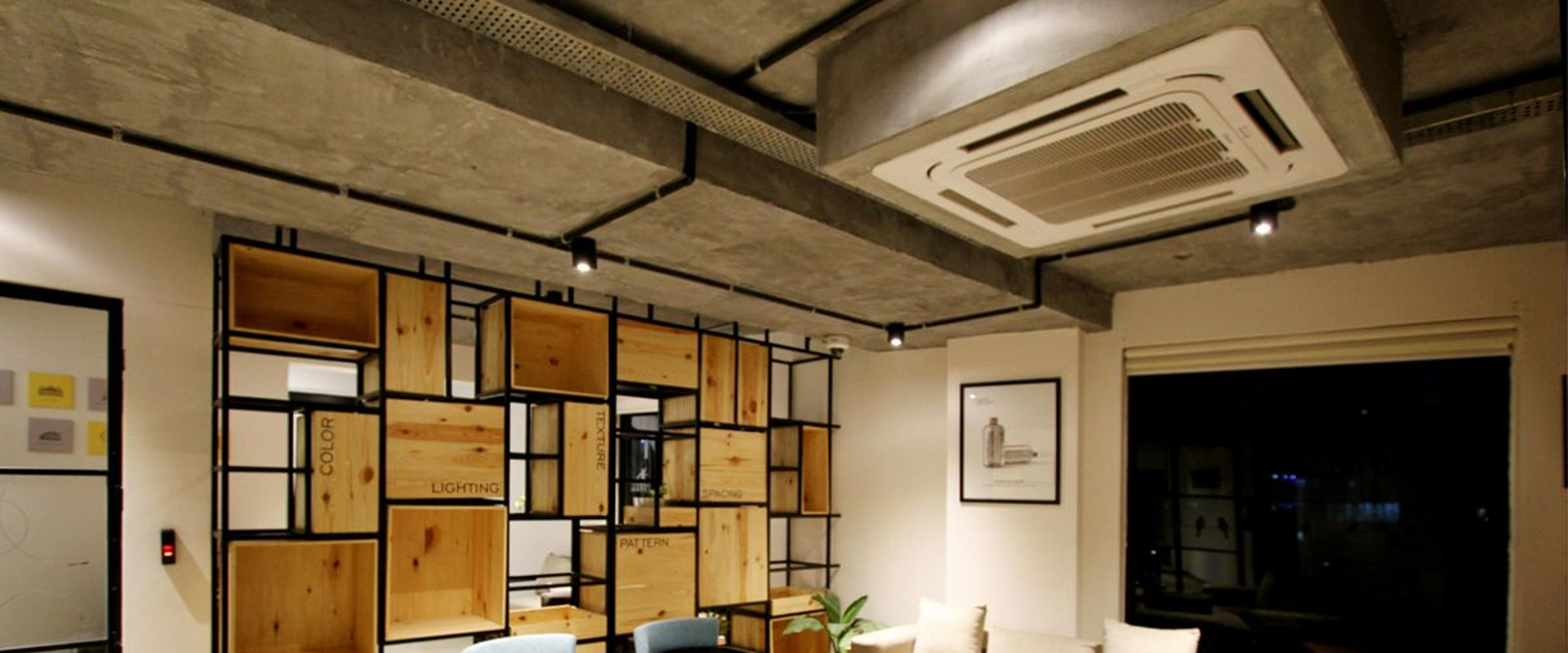
Hospital HVAC systems provide multiple operational and clinical benefits that extend beyond basic cooling. One of the primary advantages is infection control. Clean air systems equipped with HEPA filtration remove airborne pathogens, reducing the risk of hospital-acquired infections. Controlled airflow patterns prevent cross-contamination between departments.
Pressure control systems are vital in healthcare settings. Positive pressure rooms protect immunocompromised patients by preventing contaminated air from entering. Negative pressure isolation rooms contain infectious airborne particles within designated areas.
Temperature precision ensures patient comfort and recovery. Certain medical procedures require strict thermal conditions, and HVAC systems maintain consistent settings without fluctuation.
Energy efficiency is essential for hospitals that operate continuously. Advanced HVAC systems incorporate energy-saving technologies, automated controls, and zonal cooling to reduce electricity consumption without compromising performance.
Odor control is another benefit. Hospitals generate various chemical and biological odors. Proper ventilation systems remove unpleasant smells and maintain a clean atmosphere.
Noise reduction contributes to patient well-being. Quiet HVAC systems create a calm environment conducive to recovery.
Compliance with healthcare regulations is a major consideration. Professional HVAC systems are designed to meet medical standards and guidelines for air quality, filtration, and ventilation.
Centralized monitoring allows facility managers to track system performance and detect issues in real time. Preventive maintenance reduces downtime and extends equipment lifespan.
Overall, hospital HVAC and clean air systems improve patient safety, operational reliability, and energy efficiency.
Hospitals require specialized HVAC configurations tailored to different functional areas. Chiller systems are commonly used in large hospitals for centralized cooling. They provide consistent temperature control across multiple departments.
Air Handling Units (AHUs) play a crucial role in filtration and ventilation. Equipped with HEPA filters, AHUs remove contaminants and ensure clean air circulation.
Laminar airflow systems are essential for operation theatres. They create unidirectional airflow that minimizes airborne contamination during surgeries.
VRF/VRV systems are suitable for administrative offices and outpatient departments where individualized temperature control is required.
Negative and positive pressure systems are installed in isolation wards and critical care units to control airflow direction.
Exhaust ventilation systems remove contaminated air from laboratories and treatment areas.
Humidity control units maintain balanced moisture levels to prevent microbial growth.
By integrating multiple technologies, hospitals achieve comprehensive environmental control and patient safety.
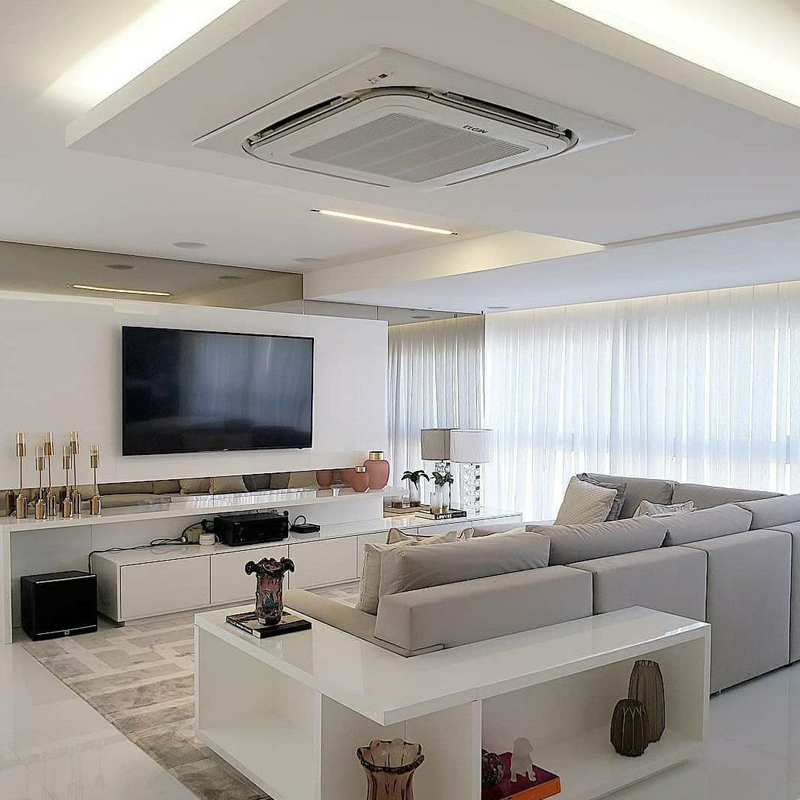
Hospital HVAC installation begins with detailed planning and load analysis. Engineers assess building layout, patient capacity, and functional requirements.
System design includes duct layout, airflow zoning, pressure control mechanisms, and filtration systems. Compliance with healthcare standards is prioritized during design and installation.
Professional installation ensures accurate placement of chillers, AHUs, HEPA filters, and ventilation units. Testing and commissioning validate system performance.
Regular maintenance includes filter replacement, airflow testing, pressure calibration, and system inspection. Preventive maintenance reduces infection risks and ensures continuous operation.
Energy audits help optimize performance and reduce operational costs.
Emergency support services ensure rapid response in case of system failure.
Professional maintenance guarantees reliability, safety, and regulatory compliance.
Healthcare environments demand precision, expertise, and strict adherence to standards. Professional HVAC providers in Coimbatore offer specialized solutions tailored to hospitals and medical facilities.
Customized system design ensures optimal airflow, temperature regulation, and infection control. Energy-efficient systems reduce operational expenses while maintaining high performance.
Compliance with medical guidelines and safety regulations ensures reliable operation.
Advanced automation allows centralized monitoring and real-time performance tracking.
Comprehensive services include consultation, installation, maintenance, upgrades, and emergency support.
Reliable after-sales service ensures uninterrupted hospital operations.
Investing in professional hospital HVAC and clean air systems strengthens infection control, enhances patient care, and supports long-term healthcare excellence.

